Hub-and-Spoke Layout
Originating with 1955 Anaheim, the central plaza provides constant orientation. Visitors radiate outward along themed spokes and naturally funnel back to the center, preventing navigation anxiety.
Examine Park Typologies →Amusement attractions work because precise mechanical systems, architectural pacing, and stage lighting intersect to create illusions of risk, speed, and weightlessness.
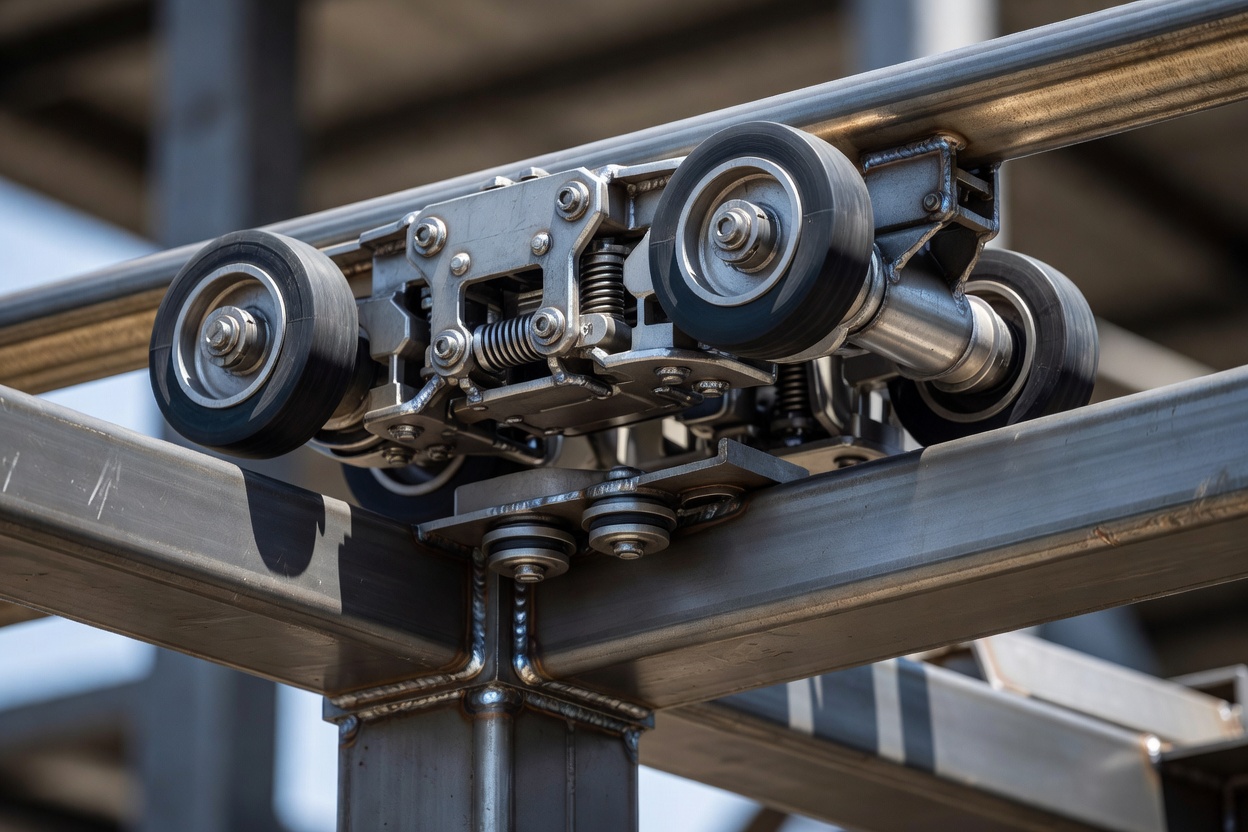
Before boarding or studying an attraction layout, these three mechanical and spatial decisions dictate how your body perceives the experience:
Roller coasters convey visceral emotion through kinetic geometry. The difference between an intense ride and an uncomfortable one rarely comes down to maximum speed; it is governed by the rate of change in acceleration, known across physics and engineering as jerk.
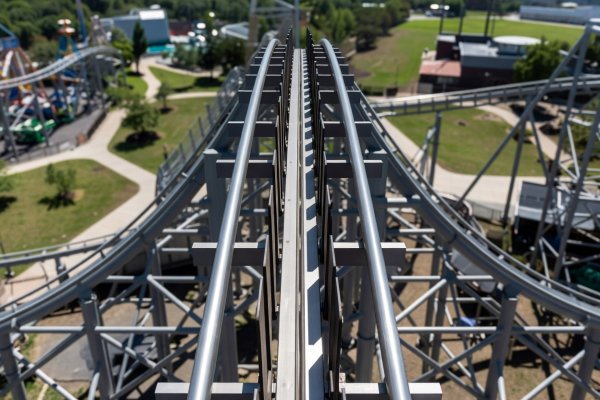
Modern layouts feature continuous-radius clothoid loops and parabolic hills engineered through computer modeling. Instead of friction shoes that wear against steel, modern trains pass non-contact copper or aluminium fins between rare-earth neodymium magnets, using eddy currents to stop trains reliably without moving parts or electrical power.
Whether strolling through historic pleasure gardens like Tivoli Gardens in Copenhagen, classic coastal boardwalks like Blackpool Pleasure Beach, or purpose-built destination complexes like Europa-Park in Rust, park layouts are deliberate masterpieces of urban crowd flow.
Originating with 1955 Anaheim, the central plaza provides constant orientation. Visitors radiate outward along themed spokes and naturally funnel back to the center, preventing navigation anxiety.
Examine Park Typologies →Parks such as Efteling in Kaatsheuvel or Cedar Point along Lake Erie utilize looping circuits that guide visitors along grand shorelines or forested corridors, maximizing exploration density.
Examine Park Typologies →High-efficiency operations depend on block zones: discrete sections of track monitored by optical proximity switches where only one train is ever permitted to be present at any time.
Examine Park Typologies →While roller coasters generate headlines, historic carousels, tracked water flumes, and omnimover dark rides represent the technical backbone of sustained park visitation. These attractions cater to varying tolerance levels without compromising on aesthetic depth.
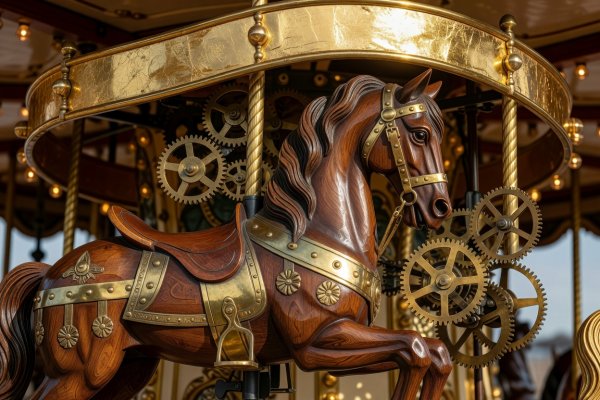
A classic platform carousel turns on a massive center pole via overhead bevel gears and crank arms, converting rotational torque into the rhythmic vertical leap of carved timber steeds. Similarly, omnimover dark rides utilize continuously chained ride vehicles that rotate to face exact scene vignettes, ensuring every passenger shares identical framing.
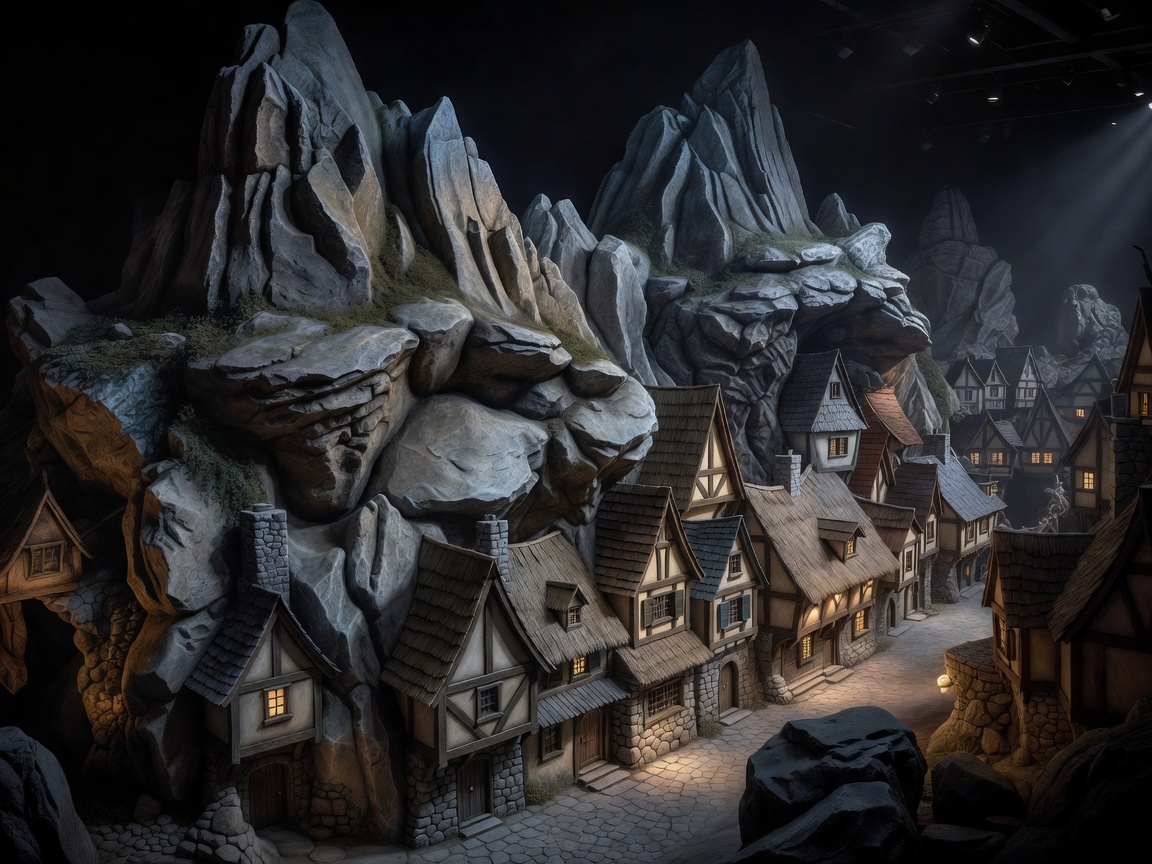
Themed entertainment is spatial drama. Plaster rockwork, forced perspective cornices, concealed speaker arrays, and theatrical Pepper's ghost illusions turn physical structural steel into believable worlds.
 VISUAL SCALE
Upper storeys are constructed at 5/8ths or 1/2 scale with smaller bricks and narrow windows, forcing the viewer's eye to perceive dramatic height within modest footprints.
Review Themed Design →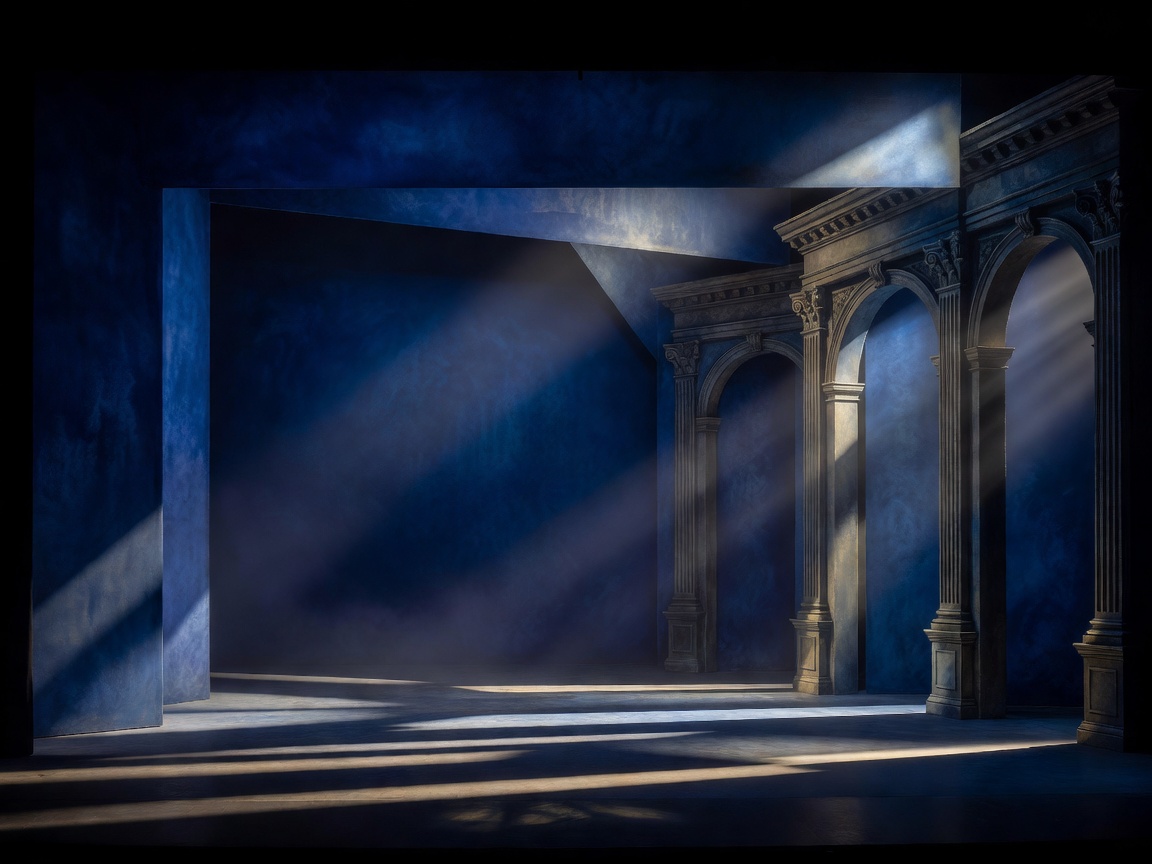 ILLUSION CRAFT
Large angled glass sheets reflect illuminated figures from hidden chambers below, creating translucent phantom apparitions directly in line with physical set pieces.
Review Themed Design →Whether you are planning a visit, curious about how gravity drops are measured, or interested in the historical conservation of vintage attractions, our guides compile architectural and operational observations without promotional noise.